Ongoing · 2025
Colombia–Korea: ten years of the Free Trade Agreement
Beyond market access: the political economy of the Colombia–South Korea FTA
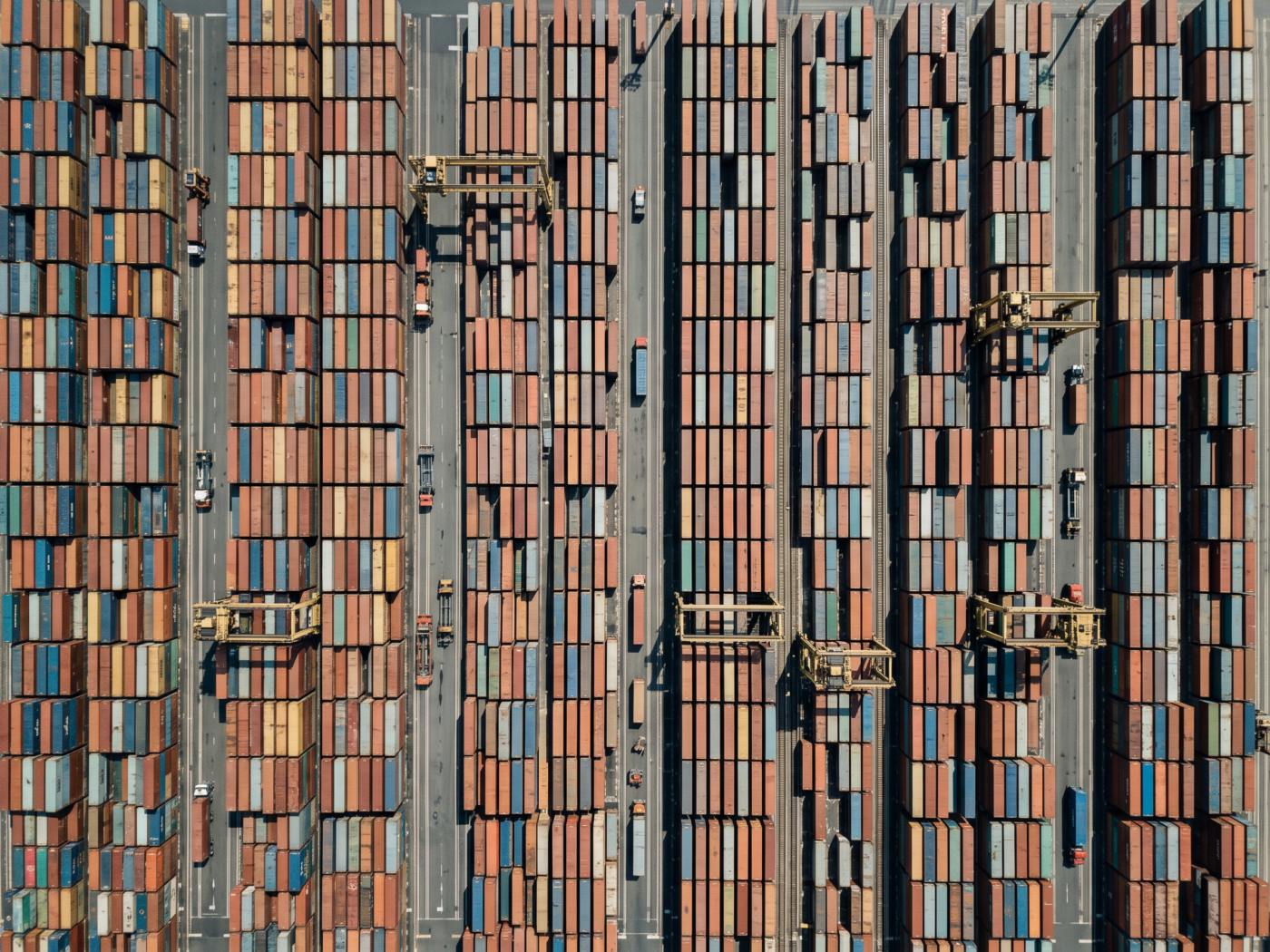
This project analyses the effects of the Free Trade Agreement between Colombia and South Korea ten years after it entered into force, from an International Political Economy perspective. Beyond aggregate trade indicators, it examines how different productive sectors have evolved, which institutional, political and business factors help explain those outcomes, and how the agreement relates to Colombia’s development and international engagement strategy.
The research combines quantitative analysis of bilateral trade, econometric methods, sectoral case studies and interviews with public, private and academic actors from both countries.
Project objectives
- Analyse the differentiated effects of the FTA across Colombian productive sectors.
- Identify the institutional, political and business factors associated with its implementation and outcomes.
- Examine the public policy responses and business strategies developed in the wake of the agreement.
- Assess the implications of the FTA for productive diversification, cooperation with Korea, and Colombia's international engagement strategy.
- Generate evidence and recommendations that contribute to academic debate and to future trade policy decisions.
You may also like

Global Political Economy: Problems in a Transforming International Order
A textbook rethinking how Global Political Economy is taught, through a pluralist, problem-oriented approach.

International Political Economy in Latin America: theory and practice
Spanish-language teaching materials for International Political Economy, built from Latin America and grounded in its own cases.

Exploring trade cooperation between the Pacific Alliance and South Korea
A comparative study of trade, investment and cooperation between South Korea and the four Pacific Alliance countries.